Alumni Spotlight: Rosie Cudabac — Twelve Seasons, One Song
%20Cudabac%20-%20Charlotte%20Choir%20School.jpg)
There are some stories that feel like they’ve been growing right alongside the program itself—layered, musical, full of movement and memory. Rosie’s is one of them.
There are some stories that feel like they’ve been growing right alongside the program itself—layered, musical, full of movement and memory. Rosie’s is one of them. For twelve seasons, Charlotte Choir School wasn’t just something she participated in; it became part of the rhythm of her life, a steady presence that shaped her childhood and continues to echo into who she is today. Now based in Chapel Hill as a Contemporary European Studies and History double major, Rosie is still doing what she’s always done: showing up, stepping in, and singing—carrying forward something that started when she was just six years old.
Her introduction to Charlotte Choir School was simple and organic. She loved to sing, her family was connected to St. Peter’s, and there was already a familiarity with the program through its leadership. What began as a young child “just trying stuff out” quickly became something lasting. Even her audition reflects that ease—she doesn’t remember it at all. No nerves, no lingering details, just the quiet confidence of a child ready to begin.
Growing Into the Sound
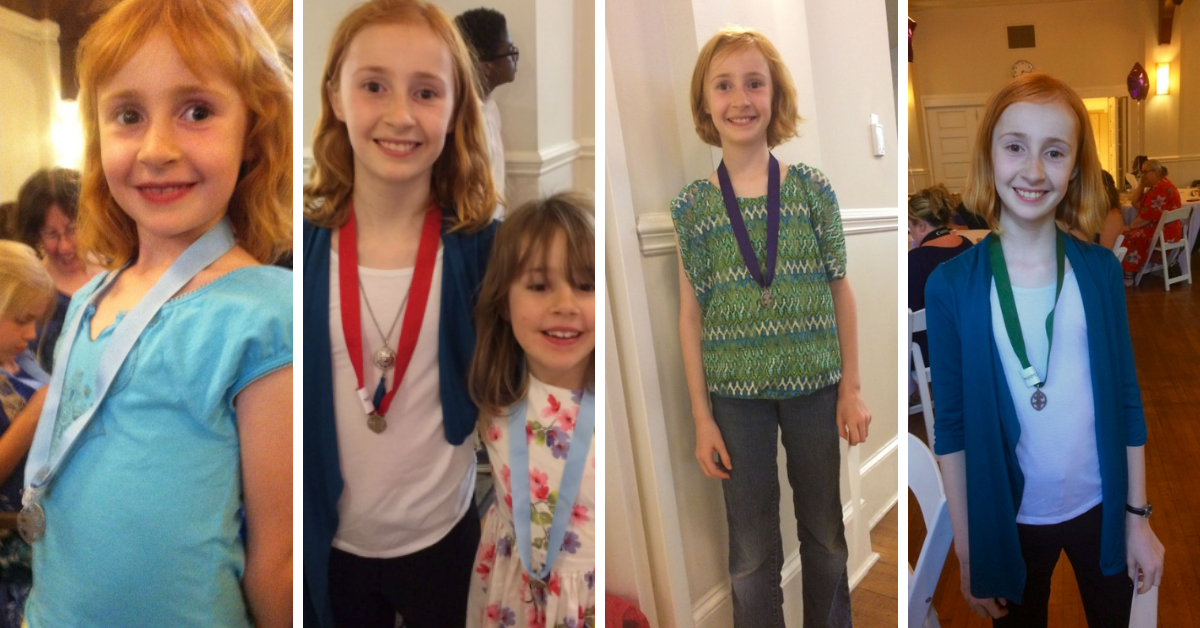
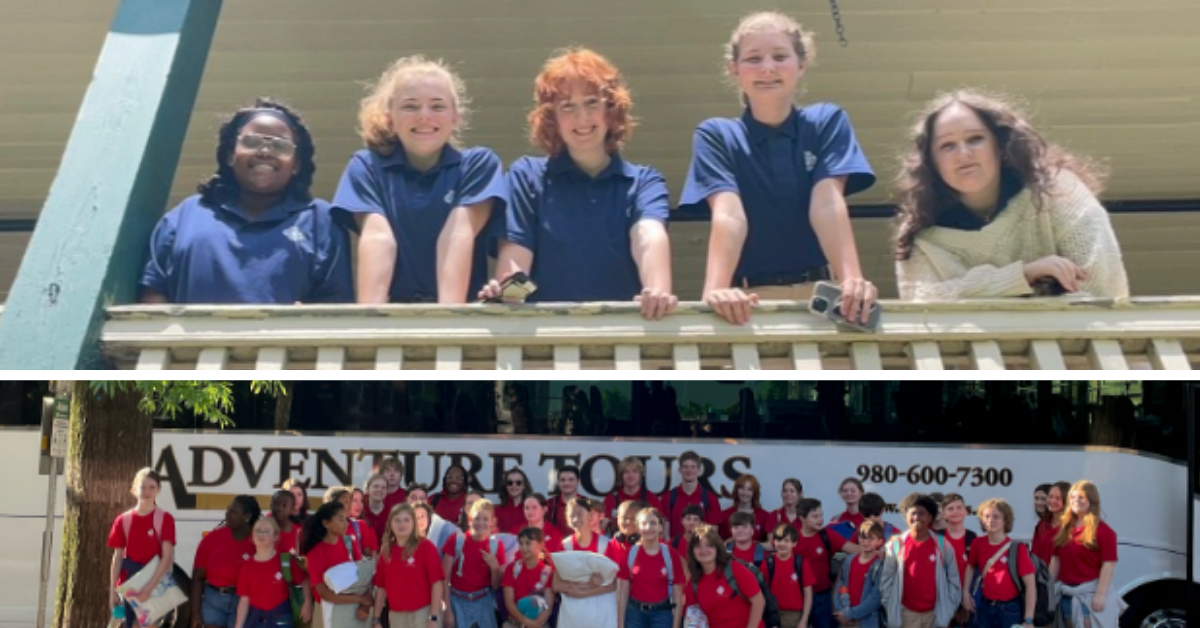
When Rosie reflects on her time as a chorister, her memories don’t stay in one place—they travel. They stretch across cities, countries, and countless shared moments with the people around her. She recalls tours filled with small, vivid details: writing the perfect thank-you note on a moving bus, staying with host families, laughing through long rides, and exploring places like Niagara Falls and Washington, D.C. But what makes these memories endure isn’t just where she went—it’s who she was with. The friendships built in those in-between moments, backstage during Opera Carolina’s Carmen, or gathered in green rooms admiring costumes and passing time together, became something lasting.
“The MasterSingers were unknowable and inaccessible, but the Tour Choristers were bigger, better, cooler versions of me and my friends, and I remember thinking, I can’t wait until I’m up there with them.”
Some of her earliest and most formative memories are quieter, almost cinematic in their simplicity. As a Town Choir chorister, she remembers sitting in the chapel during long concerts, trying to stay awake, passing the time with small games played silently to avoid getting into trouble. And then, occasionally, she would look up. She would see the older choristers—the Tour Choir and the MasterSingers — standing on stage, just out of reach, representing something bigger, something she wasn’t part of yet but deeply wanted to be. As she puts it, “The MasterSingers were unknowable and inaccessible, but the Tour Choristers were bigger, better, cooler versions of me and my friends, and I remember thinking, I can’t wait until I’m up there with them.”
That sense of aspiration crystallized in one powerful moment: standing on stage for a combined choir piece, surrounded by bright lights and a full audience, when the sound from behind her—the full force of the older choirs—rose up in a way that was almost overwhelming. It was an explosion of sound, something she didn’t yet have words for, but something that stayed with her. That moment didn’t just inspire her to keep singing; it anchored her to Charlotte Choir School in a way that would carry her forward for years.
The People Who Made It Home
At the heart of it all, what Rosie loved most was the camaraderie. The music mattered, and it grew more meaningful to her as she got older, but the constant thread throughout her experience was the people. Week after week, year after year, she returned not only to sing, but to be with the same group of individuals who, in many ways, grew up together. In her words, “Ever since the beginning of my time with the Choir School I had great friends who I looked forward to seeing every week.” There’s something rare and powerful about that kind of consistency, about sharing formative years within a single community, and for Rosie, Charlotte Choir School became synonymous with childhood itself.
That sense of continuity also shaped her in ways that reach far beyond music. Charlotte Choir School expanded her worldview, quite literally, by taking her to places she might never have experienced otherwise. It also provided a structure that instilled discipline in a way that was both consistent and transformative. She describes herself as a somewhat distractible and unfocused child, but through the steady expectations of the program—paying attention, knowing when to sing and when to be silent, memorizing music, moving with intention—she developed a level of focus and self-discipline that continues to serve her today.
The Music Stays
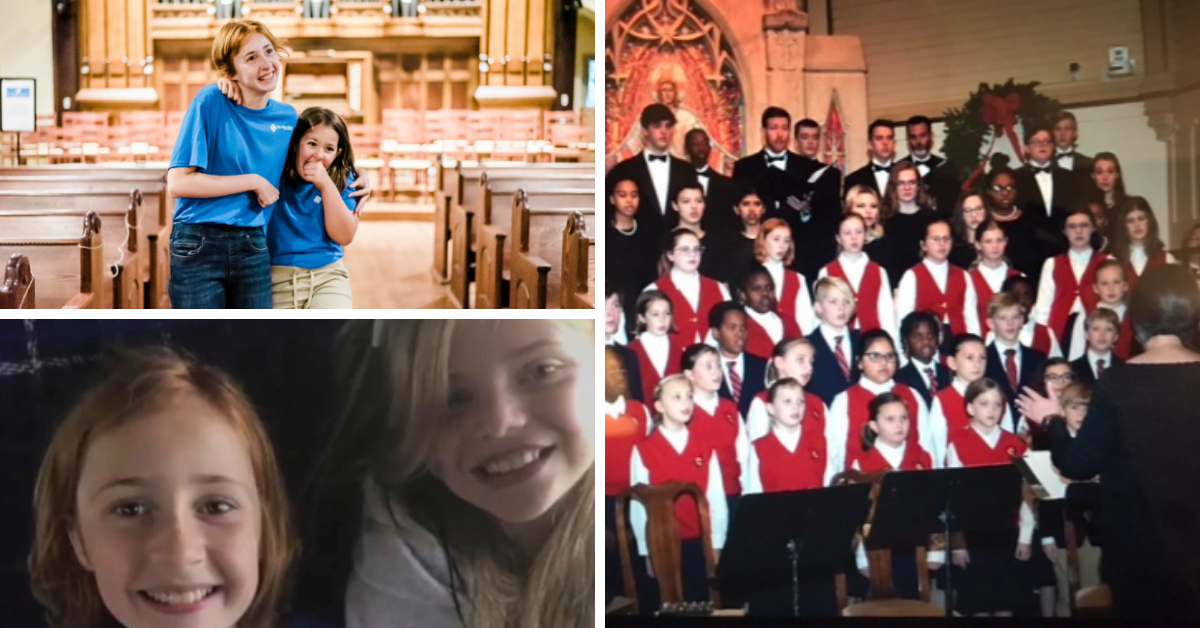
Musically, the impact is just as profound. While music was already present in her life through church and piano lessons, it was Charlotte Choir School that truly rooted it in her identity. It gave her the tools to grow as a singer—strong sight-reading skills, vocal confidence, and a deep understanding of choral music—but more importantly, it gave her a lasting connection to music itself. It’s difficult for her to imagine her life without it. Charlotte Choir School didn’t just teach her music; it ensured that music would remain part of her life.
Today, that connection continues in a very real and active way. As a choral scholar at the Chapel of the Cross in Chapel Hill, Rosie participates in a program that requires commitment, excellence, and readiness—qualities she developed over her twelve seasons at Charlotte Choir School. The role asks her to show up fully, to know her part, and to step in whenever needed, and she recognizes that this mindset—the instinct to respond with “how high?” when asked to jump—was something she learned and practiced throughout her time in the program.
Still Home
Even as a recent graduate, Rosie’s connection to Charlotte Choir School remains strong. St. Peter’s is still her church home when she returns to Charlotte, and the relationships she built within the program continue to shape her present. Many of her closest friends are fellow alumni, and she remains connected to current choristers as well. Her family’s ongoing involvement ensures that Charlotte Choir School is not something she’s left behind, but something she continues to be part of.
Looking Forward
When she looks at the next generation of choristers, Rosie’s hopes are both thoughtful and grounded. She hopes they come to understand the value of music in their lives, whether or not they continue singing in the future. She hopes they recognize that every part of the experience holds meaning—from the excitement of travel and performance to the less glamorous, repetitive work that builds excellence.
“Even if they don’t want to continue singing in choirs after they graduate, I hope they remember and recognize the value of music in a person’s life.”
Above all, she hopes that Charlotte Choir School becomes a home for them, just as it has been for her.
Being an alum is still a new identity for Rosie, something she is continuing to grow into. Right now, it means stepping back while still staying connected, supporting the program in whatever ways she can while watching it continue to thrive. In the future, she imagines that connection will remain, evolving but never disappearing.
At Charlotte Choir School, stories like Rosie’s are the legacy we are proud to carry forward. For over 30 years, our acclaimed choral program has enriched young lives and shown them where a love of music can take them—and in stories like this, we see that journey continuing long after the final note is sung.


.png)